Featured
The 9-Second Trick For No-Cost Informational Debt Counsel...
Red Flags While Researching Debt Relief Services Can Be F...
Facts About Questions to Ask Any Debt Relief Provider Rev...
Rumored Buzz on Essential Things You Should Ask a Debt Re...

Our Free Informational Financial Literacy Materials Provided to You PDFs
Table of Contents
That releases up money in the short term, and you may have three to four years to conserve towards the negotiation amount. Really hazardous to credit score ratings, largely because of missed payments and a negative "cleared up" mark that could remain on your credit history report for as much as seven yearsMay be only alternative if various other options (financial debt combination, equilibrium transfer charge card, financial obligation forgiveness) aren't possibleTypically needs a fee to the 3rd event, which might counter some or every one of the cost savings from financial obligation settlementMay assist you avoid bankruptcy if you have actually missed a number of paymentsNot all financial institutions work with financial debt negotiation firms Financial debt mercy may be ideal for you if you are experiencing a financial difficulty that makes it virtually impossible to pay down your financial debt equilibriums.
With a DMP, you make one month-to-month repayment to the credit score counseling agency. Those funds are after that distributed to creditors of your unprotected debts, such as credit cards and installment fundings. The company collaborates with your financial institutions to decrease rate of interest or forgo charges, yet some lenders might reject such concessions.
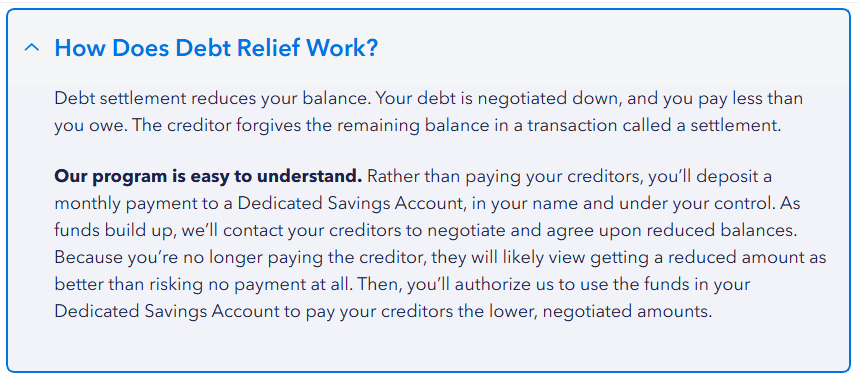
It can help you pay down financial debt if you're able to secure a finance price that's lower than the ordinary price of the accounts you're settling. You should refrain from racking up financial debt on those recently gotten rid of accounts or your financial obligation might grow even higher.
That provides you plenty of time to eliminate or considerably decrease your equilibrium while making interest-free repayments.
How Post-Bankruptcy Help and Community Support can Save You Time, Stress, and Money.
You might need it if your lender or a debt collection agency ever tries to accumulate on the financial debt in the future. The letter could prove you do not owe what the debt collector's records reveal. Yes, for the most part, the internal revenue service considers forgiven financial debt as gross income. When a lending institution forgives $600 or even more, they are needed to send you Type 1099-C.
Financial debt mercy or settlement almost constantly hurts your credit history. Anytime you work out a financial debt for much less than you owe, it might appear as "resolved" on your debt report and influence your credit history for seven years from the date of settlement. Your credit scores can additionally drop substantially in the months resulting in the mercy if you drop behind on repayments.
The Reviewing Bankruptcy Counseling Services to Find the Ideal Match Statements
Tax obligation debt compromise programs Tax obligation debt occurs when the amount of tax obligations you owe surpasses what you have paid. This situation typically results from underreporting income, not filing returns on schedule, or discrepancies found during an IRS audit. The repercussions of collecting tax obligation financial obligation are major and can consist of tax obligation liens, which provide the internal revenue service a lawful insurance claim to your home as safety and security for the debt.
Earnings and Financial institution Accounts Internal revenue service can levy (confiscate) wages and bank accounts to satisfy the debt. Home Seizure In severe instances, the Internal revenue service can confiscate and sell residential or commercial property to cover the debt.
Social Stigma Encountering lawful action from the IRS can carry social preconception. Employment Opportunities A poor credit score due to tax financial obligation can limit employment chances. Government Advantages Tax financial obligation might impact qualification for government advantages, such as Social Safety And Security and Medicaid.
The Of How Quality Counselors Apart from Other Why Community Companies
The OIC thinks about several elements, consisting of the taxpayer's revenue, costs, possession equity, and capability to pay. Effectively bargaining an OIC can be complicated, requiring a comprehensive understanding of the IRS's guidelines and a strong debate for why your deal lines up with your capacity to pay. It's vital to keep in mind that not all applications are accepted, and the process calls for comprehensive economic disclosure.
The internal revenue service analyzes your total financial circumstance, including your revenue, expenditures, asset equity, and capacity to pay. You have to also be current with all declaring and settlement requirements and not be in an open insolvency case. The internal revenue service likewise considers your conformity history, reviewing whether you have a record of prompt declaring and paying tax obligations in previous years.
An Unbiased View of Your First Step to Why Community and What to Bring
The application process for a Deal in Compromise includes numerous thorough steps. Initially, you need to finish and send IRS Form 656, the Deal in Concession application, and Type 433-A (OIC), a collection information declaration for individuals. These forms need thorough monetary details, including information about your income, financial debts, costs, and assets.
Back taxes, which are unsettled tax obligations from previous years, can significantly increase your total internal revenue service financial debt if not dealt with without delay. This debt can accumulate passion and late repayment penalties, making the original quantity owed much bigger over time. Failing to repay tax obligations can result in the IRS taking enforcement actions, such as issuing a tax lien or levy against your building.
It is very important to resolve back taxes asap, either by paying the sum total owed or by setting up a layaway plan with the internal revenue service. By taking proactive steps, you can avoid the accumulation of added passion and fines, and prevent more hostile collection actions by the IRS.
One typical factor is the belief that the taxpayer can pay the total either as a lump sum or through a layaway plan. The internal revenue service also thinks about the taxpayer's income, costs, possession equity, and future earning capacity. If these factors suggest that the taxpayer can manage to pay more than the provided quantity, the IRS is likely to turn down the deal.
Some Known Incorrect Statements About Warning Signs When Choosing a Why Community Provider
It is essential to provide precise and total information in your application and to talk to a tax obligation professional to enhance the chances of acceptance. Handling internal revenue service financial obligation can be intricate and overwhelming. Tax obligation professionals, such as Certified public accountants, tax obligation lawyers, or registered representatives, can give indispensable assistance. They have the experience to navigate the complexities of tax obligation legislation and IRS procedures.

Table of Contents
Latest Posts
The 9-Second Trick For No-Cost Informational Debt Counseling Materials That Help Individuals
Red Flags While Researching Debt Relief Services Can Be Fun For Anyone

Facts About Questions to Ask Any Debt Relief Provider Revealed
More
Latest Posts
The 9-Second Trick For No-Cost Informational Debt Counseling Materials That Help Individuals
Red Flags While Researching Debt Relief Services Can Be Fun For Anyone
Facts About Questions to Ask Any Debt Relief Provider Revealed